
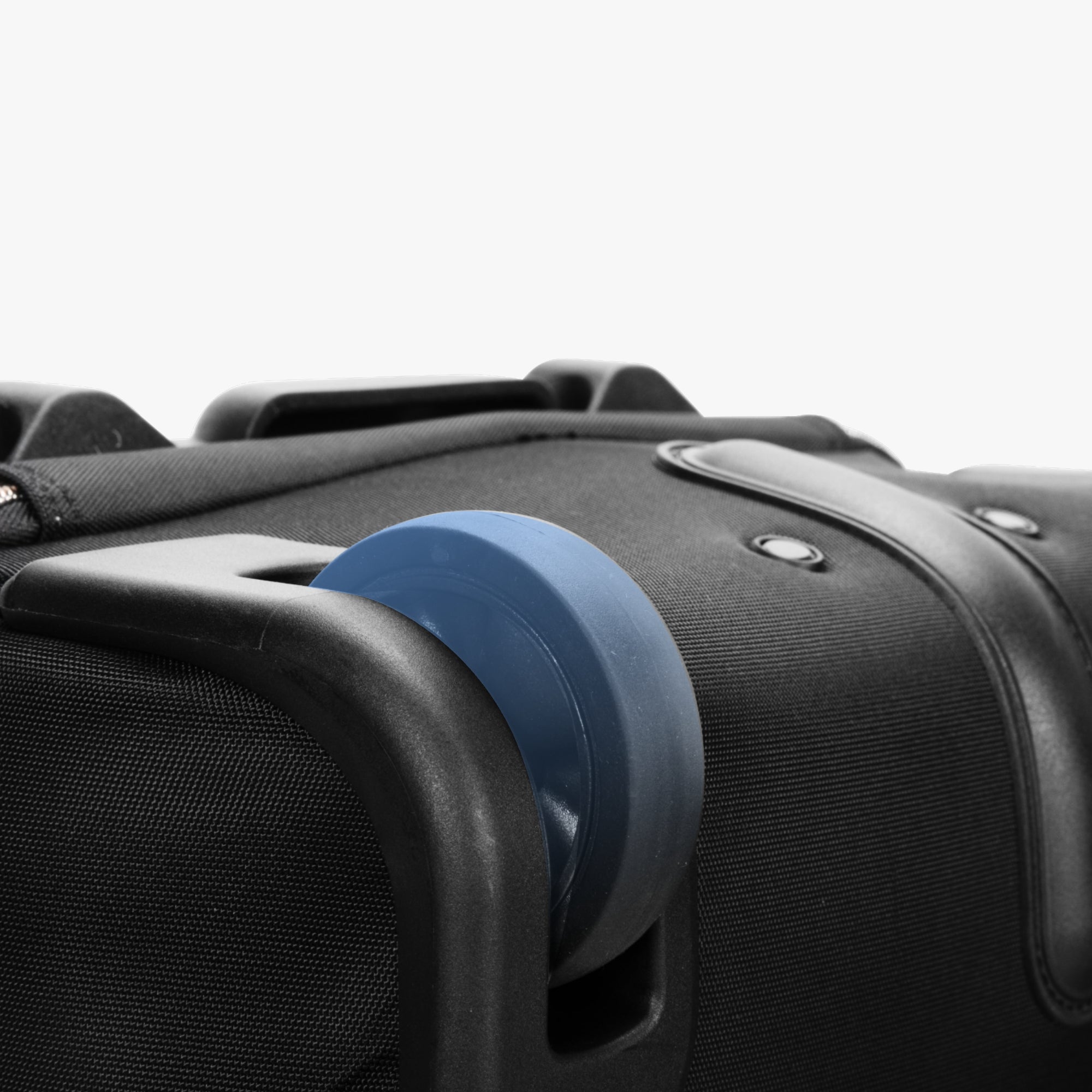
In the high-stakes landscape of modern commercial aviation, the space beneath the seat in front of you has evolved into the most valuable real estate in the cabin. As global carriers continuously tighten enforcement around overhead compartments, implement stricter boarding gate audits, and steadily scale up fees for standard overhead bags, the strategic traveler requires a paradigm shift. Navigating airports with speed, agility, and absolute peace of mind means moving away from the chaos of the overhead bin lottery and embracing the predictability of the floor.
Choosing to travel exclusively with an underseat bag is no longer merely a budget-saving hack for ultra-low-cost weekend flights; it has become a foundational methodology for smarter travel. However, achieving true transit efficiency requires more than just stuffing a legacy school backpack to its physical limits. It requires highly engineered, purpose-built underseat luggage designed to convert every single millimeter of allowed personal space into structured, accessible, and high-performance storage.
At LUGGEX, our approach to travel design centers on giving control back to the traveler. We don't view the personal item through the lens of constraint; we view it as an opportunity for masterfully executed, compact engineering. This comprehensive pillar guide serves as your definitive roadmap to mastering underseat transit in 2026, breaking down exact airline sizing rules, architectural organization, terminal mobility systems, and tactical packing science.
1. What Is Underseat Luggage? Deconstructing the "Personal Item" Ecosystem
To build an efficient, friction-free travel workflow, it is first necessary to establish exactly what constitutes true underseat luggage and how it functions within modern airline ticketing structures.
The Regulatory Definition of the Personal Item
In the architecture of commercial airline baggage allowances, hand luggage is fundamentally divided into two distinct categories:
-
The Standard Carry-on Bag: Generally restricted to dimensions around 22 x 14 x 9 inches, designated for the overhead storage lockers, and increasingly subject to priority boarding fees, weight limits, and unexpected gate-checking due to crowded cabins.
-
The Personal Item: Designated explicitly for flat placement under the cabin seat directly in front of the passenger. Historically restricted to items like purses, briefcases, and small daypacks, this tier is the final frontier of universally protected, free hand luggage on legacy carriers, and forms the primary inclusive baggage allowance on budget airlines worldwide.
Smarter Travel+ 1
A dedicated underseat carry on bridges the gap between these two worlds. It is a highly optimized hybrid solution that takes the rigorous structural integrity, premium material compositions, and interior organization layouts of a luxury full-sized suitcase and scales them down into a compact footprint tailored perfectly to fit the strict boundaries of the airline floor sizer.
The Evolution from Soft Backpacks to Structured Architecture
For years, the standard approach to packing a personal item involved using a soft, unshaped duffel or school backpack. While flexible, these bags possess severe structural flaws that actively impair travel efficiency. When packed to capacity, soft-sided bags bulge outward, transforming into irregular, spherical shapes that instantly fail rigid airport gate-sizing frames. Furthermore, their interior lacks structural compartmentalization, forcing garments to compress into unorganized clumps that cause severe wrinkling and make retrieving individual items a disruptive chore.
Conversely, professional-grade underseat carry on luggage uses a rigid or semi-rigid frame. This internal structure ensures that even when the bag is filled to its absolute maximum capacity, it retains its exact rectangular dimensions, cleanly sliding into airline sizers and under aircraft seats without catching or tearing. This structural approach mirrors LUGGEX's wider commitment to premium luggage engineering: utilizing advanced materials to maximize volume while maintaining unyielding external dimensional discipline.
2. The Smarter Travel Doctrine: Overcoming Gate-Check Anxiety
The psychological toll of navigating modern airports is heavily driven by uncertainty. Will there be room in the overhead bins? Will my boarding group be called in time? Will I be forced to separate from my valuables at the aircraft door? Transitioning to a dedicated underseat travel workflow is an intentional choice to eliminate this friction entirely, replacing gate-side panic with systematic predictability.
Dismantling the Gate-Check Lottery
On a typical fully booked flight, overhead bin space is exhausted by the time Boarding Group 3 or 4 finishes stepping onto the aircraft. When the flight crew announces that the bins are completely full, remaining passengers face the stress of the forced gate-check. Your premium carry-on suitcase is taken away, tagged, and thrown into the uncontrolled environment of the cargo hold.
For the modern professional or intentional minimalist, this separation introduces unacceptable risks:
-
Asset Vulnerability: High-value laptops, tablets, sensitive business documentation, and delicate camera gear are exposed to physical impact, temperature extremes, and potential theft.
-
Severe Terminal Delays: Upon arrival at your destination, your seamless transit layout is shattered. You are forced to stand at the baggage carousel for 20 to 45 minutes with the checked-luggage crowds, destroying your schedule.
-
Loss Risk: Gate-checked bags are frequently misrouted during tight tight-turn connections, leaving you stranded in a foreign city without your essentials.
When your entire itinerary is anchored within a premium airline personal item luggage setup, you bypass the gate sizer stress entirely. Because your bag is legally designated for underseat placement, gate agents will walk right past you, even on a max-capacity flight. Your luggage remains within your physical sphere of control from the moment you leave your house until you check into your hotel room.
Instant In-Flight Accessibility
Standard travel layouts require you to treat your belongings as inaccessible resources for the duration of a flight. Retrieving an external battery, a pair of noise-canceling headphones, or a fresh sanitizing wipe requires waiting for the aircraft to reach cruising altitude, standing up in a cramped aisle, navigating around service carts, and digging blindly through an overhead compartment.
Underseat travel establishes continuous, uninhibited access. Because your bag rests directly beneath your feet, you enjoy a fully accessible mobile workstation and comfort hub. You can smoothly open a dedicated compartment, retrieve a tablet, slide out a notebook, or grab a snack without ever unbuckling your seatbelt or disrupting your seatmates. This seamless capability transforms flight hours from lost time into highly productive, comfortable transitions.
3. 2026 Airline Compatibility: Mastering the Sizing Matrix
The core rule of high-efficiency underseat travel is absolute dimensional compliance. Because airlines look to baggage fees as a primary driver of ancillary revenue, gate agents are heavily trained to audit personal items using rigid metal sizers before boarding. If your bag cannot drop smoothly into the frame without force, it is instantly upgraded to a paid carry-on, accompanied by a steep gate penalty fee.
Arca Official+ 1
To ensure your bag passes inspection effortlessly, you must align your luggage selections with the exact current dimensions enforced by major global carriers.
The 2026 Master Personal Item Dimension Index
|
Airline |
Maximum Authorized Dimensions (Inches) |
Maximum Authorized Dimensions (cm) |
Operational Enforcement Mindset |
|
United Airlines |
17 x 10 x 9 |
43 x 25 x 22 |
Highly Strict: Basic Economy tickets strictly permit only this item. Sizers are used frequently at hubs. |
|
American Airlines |
18 x 14 x 8 |
45 x 35 x 20 |
Standard: Generous width, but strict on the 8-inch depth limit to prevent aisle blockage. |
|
Delta Air Lines |
Must fit under seat (~18 x 14 x 8) |
Fits under seat (~45 x 35 x 20) |
Variable: No explicit dimension limits on paper, but must safely clear the specific aircraft's underseat frame. |
|
Southwest Airlines |
18.5 x 13.5 x 8.5 |
47 x 34 x 21 |
Generous: One of the most permissive footprints in the industry, allowing structured rollers easily. |
|
Spirit Airlines |
18 x 14 x 8 |
45 x 35 x 20 |
Absolute Enforcement: Rigid automated and manual sizer checks. Oversized items face major fees at the gate. |
|
Frontier Airlines |
18 x 14 x 8 |
45 x 35 x 20 |
Absolute Enforcement: Gate agents check sizes carefully; bags must drop in freely including all external hardware. |
Sourced Realities: The Physical Anatomy of Measurement
When assessing the compliance of a compact carry-on luggage option, it is vital to remember that airlines measure total exterior dimensions, not internal capacity. A common travel mistake is reading a manufacturer's listing for a bag's fabric body (e.g., 17.5 inches tall) while ignoring the external hardware components.
To guarantee compliance, your measurements must account for:
-
Wheels and Casters: Protruding spinner wheels add between 1.5 and 2.5 inches to the total vertical height.
-
Grab Handles: Heavy-duty top or side handles that do not press completely flat can push a borderline bag past the allowed limit.
-
External Pockets: Side water bottle holders or stuffed front organization zones will expand the depth profile far past the standard 8-inch threshold.
Furthermore, underseat space can vary depending on the specific aircraft model (e.g., a Boeing 737 vs. an Airbus A321) and your seat assignment (aisle seats routinely feature narrower underseat footwells due to the structural curvature of the cabin floor or the placement of inflight entertainment boxes). To deeply understand how these broader sizing metrics interact across different fleet configurations and cabin classes, consult our definitive carry-on luggage guides.
4. Engineering Mobility: Wheeled vs. Non-Wheeled Mechanics
The foundational choice when selecting the best underseat luggage centers on your preferred method of terminal mobility. The market is divided into wheeled rolling cases and non-wheeled wearables. Each system features specific engineering trade-offs regarding physical energy expenditure and interior packing volume.
Underseat Luggage With Wheels (Rollers & Spinners)
An underseat luggage with wheels scales the mobility advantages of a full-sized suitcase down into a compact footprint. These units are built with either a 2-wheel inline skate configuration or a premium 4-wheel 360-degree spinner system, paired with a multi-stage aluminum telescoping handle.
-
Mobility Architecture: Choosing an underseat carry on luggage with wheels significantly reduces physical strain on your body. Instead of carrying 15 to 25 pounds of gear on your shoulders or back through expansive international terminals, the weight rests entirely on the ground. Precision multi-bearing spinner wheels allow the bag to glide effortlessly directly alongside you, navigating tight aircraft aisles sideways with ease.
-
The Volume Trade-off: The structural inclusion of an aluminum trolley handle and wheel housings requires a clear internal volume trade-off. The internal tubes for the telescoping handle run down the back wall of the bag, creating structural ridges that require strategic packing. Additionally, the wheel assemblies consume roughly 2 inches of external height that would otherwise be dedicated to packing capacity.
-
LUGGEX Engineering Insight: To counter this volume loss, LUGGEX designs utilize ultra-low-profile, recessed wheel housings and custom-molded, flattened aluminum trolley paths. This minimizes the footprint of mechanical parts, reclaiming valuable interior square centimeters for clothes and gear.
Non-Wheeled Wearables (Backpacks, Totes, and Duffels)
Non-wheeled underseat personal items eliminate mechanical components entirely, relying on padded shoulder straps, hidden harness systems, or duffel grips.
-
Volume Maximization: Without the need to accommodate wheels or handle tubes, non-wheeled bags provide the absolute maximum internal volume possible within a set dimension limit. The entire interior is open and uninterrupted, allowing for clean placement of larger gear, shoes, or packing cubes.
-
Flexibility and Compression: A non-wheeled fabric bag is inherently flexible. If you accidentally overpack the depth profile slightly, the pliable structure allows you to compress the bag into a metal gate sizer or wedge it beneath a tight underseat compartment.
-
The Physical Toll: The obvious trade-off is physical strain. You must carry the entire weight of your luggage on your body. During extended terminal walks, customs lines, or unexpected flight delays, a heavy non-wheeled personal item can cause back, neck, and shoulder fatigue.
5. Premium Architectural Design: Smarter Organization
A premium underseat bag should never feel like a bottomless pit where gear is lost in a cluttered mess. High-efficiency travel requires an advanced interior layout that organizes your essentials into intuitive, highly accessible zones. When evaluating compact luggage designs, prioritize these engineering features:
Advanced Access Configurations
Traditional backpacks utilize a top-loading design, forcing you to reach down blindly from the top to access items at the bottom, which completely unorganizes your neatly folded clothes.
Smarter travel layouts rely on advanced entry structures:
-
Clamshell Openings: The bag unzips completely around three sides, laying completely flat like a standard suitcase. This gives you full visibility and immediate access to the main packing compartment without disturbing neighboring items.
-
Front-Loading Isolation Panels: For fast-paced airport transitions, specialized designs—drawing from the architecture of high-end front opening luggage—incorporate an independent, quick-release front panel. This lets you smoothly slide out a 14-inch or 16-inch laptop, travel documents, and liquid pouches at a security checkpoint while keeping the main clothing compartment completely zipped and private.
Security and Shell Integrity
For travelers carrying high-value electronics, sensitive prototypes, or luxury items, standard fabric zippers can present a security risk, as they can be easily pierced with a basic pen. If security and weather isolation are your top priorities, upgrading to a structured, aluminum-framed zipperless luggage system provides excellent protection. A zipperless underseat option utilizes heavy-duty dual TSA-approved latch locks set into a rigid frame, creating an incredibly secure barrier against theft, impact, and moisture.
Technical Interior Compartmentalization
The internal layout of a premium underseat bag must actively assist you in organizing your items. Look for:
-
Dedicated Tech Hubs: Suspended, microfiber-lined sleeves that protect tablets and laptops from structural impacts if the bag is dropped.
-
Wet/Dry Isolation Pockets: Polyurethane-coated, moisture-proof pockets designed to isolate damp swimwear, workout clothes, or spilled toiletries from your clean wardrobe.
-
Integrated Compression Straps: Heavy-duty, adjustable internal webbing straps that compress your clothing downward, utilizing mechanical leverage to increase your overall packing capacity by up to 25%.
6. The Elite Packing Blueprint for 20 to 30-Liter Capacities
Embracing an underseat-only travel strategy requires a refined approach to packing. While a standard overhead suitcase offers 40 to 55 liters of interior capacity, a compliant underseat personal item operates strictly within a tight 20 to 30-liter limit. To maximize this compact space without sacrificing style or utility, you must pack with deliberate technical strategy.
The Concentric "Bundle" Packing Method
Traditional flat folding creates internal air pockets and structural voids that waste space and cause deep fabric creasing. Instead, use the concentric bundle method:
-
Establish a soft, structurally dense core object, such as a small pouch filled with undergarments or socks.
-
Lay your longest, heaviest items (like trousers or dress shirts) flat across your bed, alternating directions.
-
Place lighter items (like t-shirts and shorts) over them horizontally.
-
Wrap the outer garments systematically and snugly around the central core, forming a singular, dense, tightly integrated clothing bundle.
This method eliminates empty space inside the bag, reduces fabric friction to prevent wrinkles, and ensures your clothes pack down evenly within a compact, rectangular frame.
The "Wear Your Bulk" Principle
The easiest way to preserve the internal volume of a small bag is to strategically manage what you wear during transit. The heaviest and bulkiest items on your packing list should never go inside your underseat bag.
-
Footwear Strategy: Wear your heaviest boots, sneakers, or dress shoes on the plane. Pack only flat, low-profile alternatives like sandals or thin loafers.
-
Outerwear Layering: Wear your thickest winter jacket, heavy knit sweater, or structured denim jeans during transit. Once you pass the gate agent and find your seat on the aircraft, you can easily remove your coat and drape it over your lap or use it as a lumbar pillow. This simple adjustment preserves valuable internal liters for your core wardrobe essentials.
Flat-Lay Toiletry Architecture
Standard hanging toiletry bags are boxy and rigid, creating awkward shapes that do not pack well inside a small luggage frame. To optimize your layout, switch to a flat-lay toiletry organizer. These slim, elongated pouches spread your liquids, grooming tools, and cosmetics out in a single thin layer. This design allows the kit to slide flush against the internal perimeter walls or bottom of your bag, maximizing every inch of space and keeping the center open for your clothes.
7. Real-World Use Cases: Streamlining Modern Travel
To understand how a premium underseat luggage system performs under real-world conditions, let us analyze two distinct travel scenarios where compact organization and smart design are critical.
Use Case 1: The 48-Hour Corporate Business Trip
-
The Scenario: A fast-paced corporate consultant has an early morning outbound flight, an intensive series of client meetings, an overnight hotel stay, and a late-afternoon return flight the following day.
-
The Gear: A premium underseat carry on luggage with wheels.
-
The Dynamic: By choosing a wheeled underseat roller, the consultant bypasses ticket counters and baggage claims entirely, walking straight to the security lane. The structured internal frame safely holds a pressed business suit and dress shirt (secured via internal compression straps), a fresh change of clothes for the evening, an overnight grooming kit, and a 15-inch laptop.
Using an advanced front-loading design, the laptop and boarding passes slide out effortlessly at the security checkpoint without opening the main clothing compartment. Onboard, the bag glides smoothly down the narrow aisle and fits cleanly under the seat. The consultant answers emails mid-flight with immediate access to tech, and stands ready to exit the aircraft the moment the doors open—completely avoiding the post-flight overhead compartment scramble.
Use Case 2: The Budget Airline Weekend Getaway
-
The Scenario: An intentional minimalist traveler is flying on an ultra-low-cost carrier (such as Spirit or Frontier) for a Friday-to-Sunday beach weekend.
-
The Gear: A high-capacity, non-wheeled underseat backpack.
-
The Dynamic: Budget airlines charge high fees for standard overhead carry-on bags, often costing more than the base airfare itself. By utilizing a non-wheeled bag engineered exactly to the 18 x 14 x 8-inch personal item limit, the traveler flies completely free of charge.
The open, uninhibited interior space easily accommodates three lightweight summer shirts, two pairs of shorts, swimwear, a flat toiletry pouch, and sandals. Because the bag lacks rigid metal parts, it drops easily into the gate sizer during boarding. The traveler saves significant money on round-trip baggage fees while enjoying hands-free mobility throughout the trip.

8. Frequently Asked Questions (FAQ)
Does a dedicated underseat bag count as my official carry-on allowance?
This depends entirely on your airline's business model and your specific ticket class. On major legacy carriers (like Delta, American, and United), standard economy tickets include both a carry-on bag for the overhead bin and a personal item for beneath the seat. In this case, your underseat bag serves as your personal item, allowing you to bring two bags total.
However, on ultra-low-cost carriers (like Spirit, Frontier, and Ryanair) or Basic Economy fares on certain legacy lines, your ticket includes only one free personal item that must fit under the seat. If you wish to bring a second bag for the overhead bin, you must pay an additional carry-on fee.
Kayak
Will a 15-inch or 16-inch laptop fit inside a standard underseat bag?
Most compliant underseat bags feature an external width between 13 and 14 inches. Because laptop sizing (e.g., 15 or 16 inches) refers to the diagonal screen measurement, the actual physical length of the laptop chassis usually ranges from 13.5 to 14.5 inches.
While a larger laptop can often fit diagonally inside the main compartment of an underseat bag, it may be too wide for an integrated, built-in laptop sleeve. If you travel with a larger workstation, we highly recommend verifying the exact interior dimensions of the bag's laptop sleeve before purchasing.
Can I just use a standard school backpack as an underseat bag?
Yes, you can use any standard backpack, provided its external dimensions stay within the airline's personal item limits. However, standard top-loading backpacks lack the structural integrity and smart organization needed for efficient travel. They tend to slouch, offer minimal padding for electronics, and force you to dig blindly from the top to reach items at the bottom.
Purpose-built underseat luggage features a structured, suitcase-style clamshell opening, allowing you to pack, view, and organize your clothing and gear with maximum efficiency.
Are 4-wheel spinner wheels or 2-wheel fixed rollers better for underseat travel?
Each system offers a distinct structural trade-off. Four 360-degree spinner wheels provide exceptional, effortless maneuverability, allowing you to roll the bag sideways down incredibly narrow aircraft aisles without bumping into seats.
Fixed 2-wheel inline systems, however, are recessed more deeply into the frame of the luggage. This means the wheels themselves take up less external space, granting you roughly an extra inch of internal packing volume while making the bag slightly more stable on uneven city streets.
Summary: The Freedom of High-Performance Travel
Switching to a premium, dedicated underseat luggage system is one of the smartest, most liberating choices a frequent flyer can make. By condensing your travel layout into a high-performance personal item, you eliminate the constant stress of the overhead bin lottery, protect your expensive tech from forced gate-checking, and maintain complete control over your belongings throughout your journey.
-
For Seamless Workflows and Quick Access: If your priority is rapid deployment of devices during security checks or tight flights, look for advanced front opening luggage designs that keep your laptop, passport, and chargers within arm's reach at all times.
-
For High Security and Premium Protection: If you want maximum structural protection, an impenetrable shell, and a modern aesthetic, consider exploring a high-end zipperless luggage option to safeguard your gear from the elements and theft.
Ready to redefine the way you experience the airport? Explore our meticulously engineered collection of the best underseat luggage and bring absolute predictability, speed, and comfort back to your next flight.
Share:
Front Opening vs. Top Opening Luggage: Which Packing System Is Best?
Front Opening vs. Top Opening Luggage: Which Packing System Is Best?