
Traveling should be about making memories, not worrying about the risks of luggage theft. According to SITA, one in twenty, or 1.8 million, bags are lost or stolen. While you're out exploring the world, the last thing you want is to lose your belongings in the middle of a trip.
Although airlines are improving their security measures, transit hubs and tourist hotspots remain prime environments for opportunity theft. To ensure your luggage bag makes it safely to your destination, it is important to have a strategy that combines high-tech tracking, physical deterrents, and street-smart psychology.
1. Use Durable Hardware
Your first line of defense is the luggage bag itself. When choosing travel luggage for your trips, it is essential to get one that is strong enough to withstand damage while ensuring your belongings are secure while on the road.
· Go Hard-Shell
While soft-shell bags are lightweight and flexible, they are vulnerable to "slashing," where a thief uses a sharp object to slice through the bag’s fabric and grab what is inside. Hard-shell luggage bags, particularly those made from aluminum or polycarbonate, are more resistant to damage.
· TSA-Approved Locks
Always use locks for your luggage, but ensure they are TSA-approved. The best TSA-approved luggage locks allow security personnel to open, inspect, and close your bag using a master key without destroying your lock.
· Use Zipperless Bags
Most zippers can be popped open using a pen. To eliminate this problem, choose durable zipperless luggage for your travels. This type of hard-sided bag uses a secure hinged frame with latch closures and a built-in TSA lock luggage system.
2. Leverage Tracking Technology
Around 8 percent of mishandled luggage bags are lost or stolen. One of the biggest fears that travelers may have is handing over their bags to an agent only for them to disappear. Fortunately, modern tracking technology enables you to keep an eye on your bag at all times.
· Use Smart Trackers
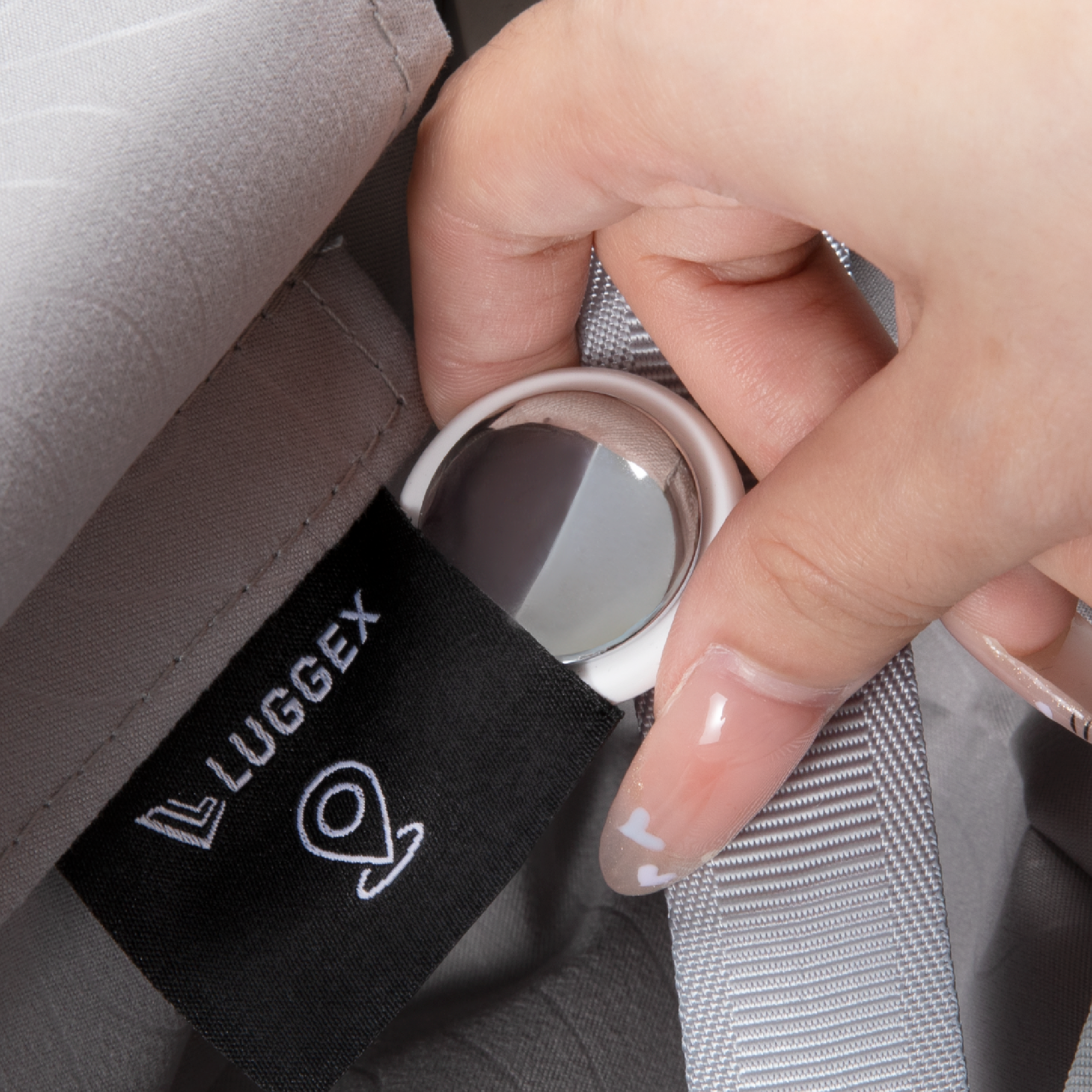
Luggage tracker tags are small devices that use Bluetooth, Ultra-Wideband (UWB), or GPS to help locate bags via your phone. Consider investing in tags like Apple AirTag or Tile to help you identify your baggage.
· Keep a Digital Inventory
Before closing your bag and leaving for the airport, consider taking a photo of your luggage's contents and its exterior. If the bag goes missing or gets damaged, these photos can serve as vital evidence for any insurance claims and airline reimbursement.
3. The Art of Stealth Packing
Sometimes, the best way to keep your luggage safe is to make it look like it isn't worth stealing. Thieves always look for signs that a bag contains expensive items or is easy to pilfer, so consider making it less “worth the risk.”
· Avoid Luxury Branding
High-end luxury brands are often primary targets since the bags themselves are valuable. Branded luggage bags also often signal that their contents are expensive for potential thieves.
· Keep Valuables in Carry-On
Checked luggage must pass through multiple people and is often delayed, which increases the risk of loss. If you are carrying costly or important items like passports, laptops, and jewelry, keep them in your carry-on.
· Double ID Your Bags
Place a tag on the exterior of your bag and leave a business card or ID inside. Tags can be ripped off during transit, and an internal ID ensures the bag can be traced back to you.
4. Security During Transit
The most dangerous times for your luggage are during handoffs and transitions between planes, trains, buses, and other forms of transportation. In fact, 46 percent of bag mishandlings occur between transfers.
· Stay at the Carousel
Opportunistic thieves will target bags that are unattended or have been circulating the belt for too long. Before visiting duty-free shops, stay at the carousel until you claim your luggage.
· The Leg Loop
If you are sitting down to eat, never leave your bag next to your chair. Loop the bag strap around your leg to prevent a snatch-and-run.
· Train Awareness
Luggage bags are typically stored in racks at the end of the carriage, making it a hotspot for theft during immediate stops. Consider tethering it to the rack or storing it in the overhead space directly above your seat.
5. Safety at the Destination
Arriving at your destination does not mean your belongings are guaranteed safe. Once you are at the hotel or exploring tourist attractions, remain vigilant, especially in high-risk areas.
· Test the Safe
Consider testing the safe first before storing your belongings. Ensure it actually locks and that the hotel didn't leave a generic "0000" or "1234" override code active.
· Have a Backup Plan
Your luggage is still at risk even when you take every reasonable safety precaution. Consider saving digital copies of important documents and keep extra money and cards in separate repositories, such as belt bags, travel safe, and even in your socks.
· Get Insured
Investing in insurance can be beneficial if your luggage bag does get delayed or stolen. Reliable travel insurance helps protect your belongings and provides financial security.
Travel with Confidence and Security with Luggex Bags
Your luggage bag's safety should be one of your top priorities when traveling. Since your bag is your lifeblood, you must take these precautionary steps to ensure you will not become a victim during your trip.
Don't settle for less when choosing secure travel bags. At Luggex, we design premium luggage bags built for durability, reliability, and security. With our advanced zipperless technology and integrated TSA-approved locks, you can be confident in knowing your belongings are safe wherever you go.
Adventure starts here with your LUGGEX luggage set. Contact us today for orders or warranty support.

Share:
Top-Open vs Trunk Luggage: What’s the Difference and Which One Should You Choose?
How to Keep Your Luggage Safe During a Crowded Spring Break Trip