
Disclosure: This guide is published by LUGGEX, and we make the luggage mentioned below. Our goal is to show where each size genuinely fits—not to pretend the largest suitcase is right for every trip.
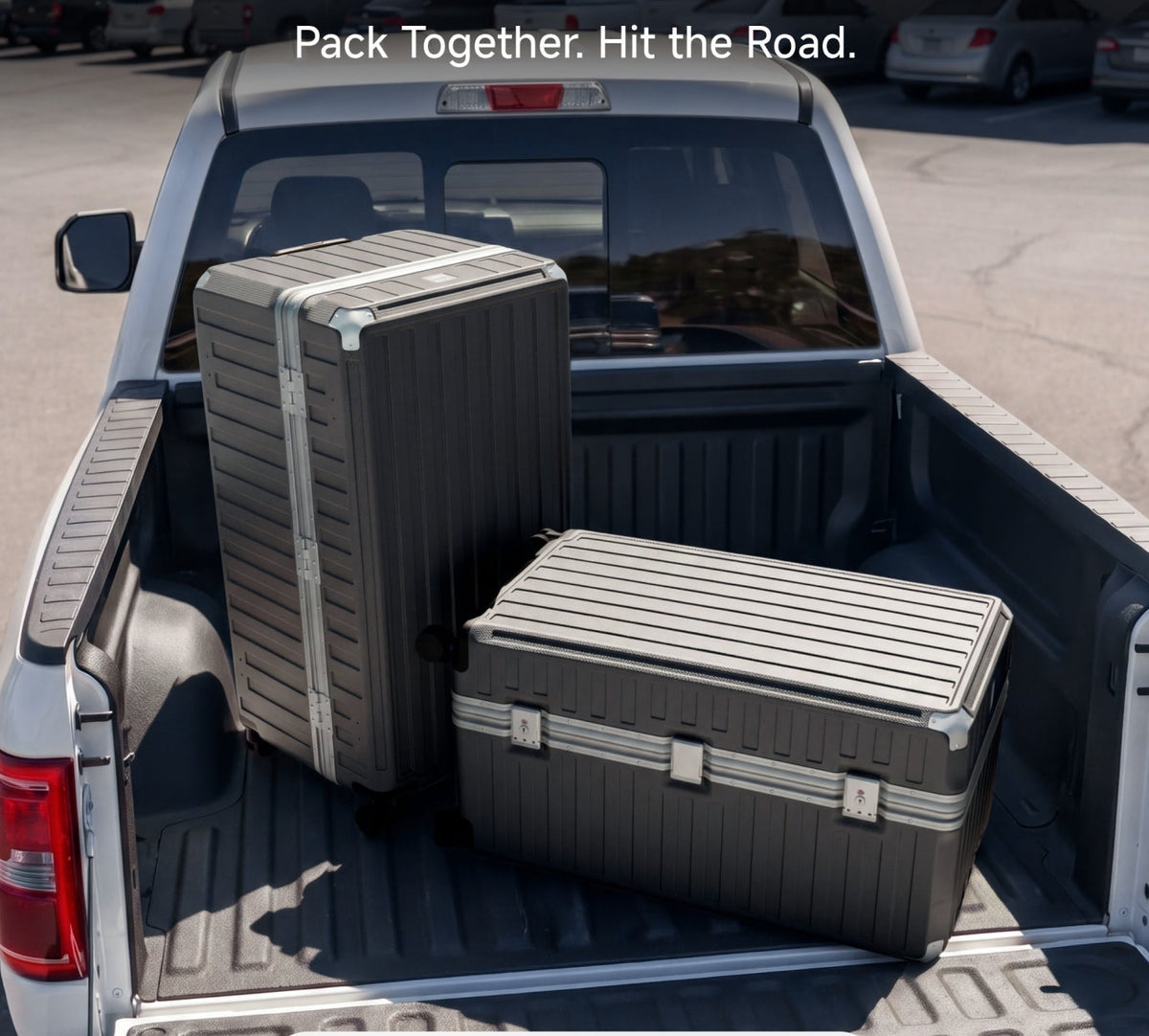
One important detail before you pack: the LUGGEX ZX 32-inch trunk is a 130-liter, car-first suitcase that weighs 14.6 pounds empty. Once packed, it may exceed an airline’s standard size or weight limits and result in additional baggage fees.

This Southwest road trip is designed for travelers leaving home by car. Picture the 32-inch trunk in the back of an SUV, minivan, or pickup—not automatically headed for an airport carousel.
The route connects Zion, Bryce Canyon, Page, and the Grand Canyon, but it deliberately avoids the “six parks in six days” approach. For most families, better sleep, shorter drives, and time for a real dinner make a better vacation than another rushed stop.
Before You Leave: Pack in Two Layers
A family road trip works better when everything does not live in one giant pile.
For a family of three or four traveling in an SUV or minivan, the ZX 32-inch can serve as the main family suitcase. Its deep trunk layout gives bulky items—jackets, hiking shoes, extra pants, and shared toiletries—a dedicated place instead of spreading them across several loose duffel bags.
Use packing organizers to assign each traveler a section. Dad gets one color, Mom another, and the kids each get their own. When everyone knows where their clothes belong, a hotel room is less likely to look like the contents of the car exploded overnight.
Then add a smaller ZX 20-inch carry-on for the items the family needs first:
-
Medication
-
Chargers and electronics
-
One change of clothes
-
Sleepwear
-
Toiletries
-
Important documents
This two-layer system keeps you from opening and digging through the 32-inch trunk during every roadside stop. Bring all luggage into your lodging whenever possible rather than leaving visible bags in a parked vehicle.
A couple or smaller family driving a compact crossover may be better served by the ZX Journey Set with a 20-inch and 28-inch case. Splitting the load makes each suitcase easier to lift and gives the vehicle more flexible packing options. Bigger is useful only when it fits the way you actually travel.

Day 1: Enter the Loop Without Overdoing It
Join the route from whichever city is closest to home—Las Vegas, St. George, Flagstaff, or Phoenix all work as practical entry points.
Use the first day to reach the area, buy water and road snacks, and get a full night’s sleep. Keep the 20-inch case near the rear of the cargo area so your first-night clothes are easy to reach. The 32-inch trunk can stay packed until you reach the first two-night stop.
Before leaving home, measure the vehicle’s cargo area. A 32-inch suitcase can take up much of a compact sedan’s trunk, especially once a cooler, hiking gear, and children’s bags are added.
Days 2–3: Settle In at Zion
Spending two nights near Zion is where the larger trunk starts to make sense. Instead of repacking every morning, bring the ZX 32-inch into the hotel and treat it as the family’s temporary dresser.
Keep everyday clothing in individual organizers, place hiking shoes in the deeper compartment, and store the next morning’s layers near the top. The compression divider helps prevent the contents from shifting when the suitcase returns to the vehicle.
Zion uses a shuttle system during much of the year, so review the current Zion Canyon shuttle information before arrival. Carry water, sun protection, medication, and snacks in daypacks; a rolling suitcase belongs at the hotel, not on a park trail.
Use the second Zion day for one hike that fits the family’s ability, a scenic drive outside the main canyon, or a slow afternoon by the pool. A vacation does not become more successful because everyone’s knees hurt by dinner.
Day 4: Keep Bryce Canyon Layers Within Reach
Bryce Canyon sits at a higher elevation and can feel much colder than Zion. Even if the forecast looks warm elsewhere, keep a fleece, lightweight jacket, and beanie accessible rather than buried under a week’s worth of clothing.
This is where the 32-inch trunk’s deep compartment earns its space: bulky layers can travel with the family without taking over the back seat. The smaller 20-inch case can continue to hold the next night’s essentials, making a shorter hotel stay easier to manage.
Focus on the overlooks and a comfortable section of the Rim Trail. Families interested in hiking below the rim should remember that every downhill step becomes an uphill step on the return. Check the Bryce Canyon planning page for current conditions.
Day 5: Page, Water, and a Better Place for Wet Gear
Continue to Page for Horseshoe Bend, Lake Powell, or a guided slot-canyon tour.
If the family spends time around the water, use the ZX 32-inch’s wet/dry pocket to keep swimsuits and damp items away from clean clothing. It is a small feature at home; halfway through a multi-stop road trip, it becomes considerably more useful.
Visit Horseshoe Bend during a cooler part of the day, carry water, and stay back from unprotected edges. The National Park Service publishes current Horseshoe Bend access and safety information.
Day 6: Leave the Big Bag at the Grand Canyon Hotel
At the Grand Canyon, check into the hotel before sightseeing whenever the schedule allows. Leave the 32-inch family trunk securely in the room and take only daypacks, water, sun protection, and necessary valuables into the park.
Walk a section of the Rim Trail, visit several overlooks, and stay for sunset if the family still has the energy. Do not treat a hike into the canyon as a casual add-on—the return climb is much harder than the descent.
Review the park’s current conditions and planning guidance before choosing a trail.
Day 7: Repack Once and Head Home
By the final morning, each family member should be able to return clothing to the same organizer used at the beginning of the trip. Dirty clothes go into their own section, damp items stay separated, and souvenirs fill whatever space remains.
Complete the loop toward the exit closest to home. Add another attraction only if time and energy allow. Arriving home safely is more important than forcing one final stop into an already good trip.
The Same Setup Works Beyond the Southwest
A 32-inch trunk does not need an airport to be useful. The same main-suitcase-and-small-case system works well for:
-
A week at a drive-to beach house or lake cabin
-
Family reunions and holiday visits
-
Ski trips with bulky winter clothing
-
Cruises departing from a nearby home port
-
Seasonal stays between two homes
-
College move-ins and temporary relocations
-
Youth sports tournaments with longer hotel stays
It is less practical for compact cars, nightly hotel changes, or travelers who cannot comfortably lift a large case when fully packed. If air travel is part of the plan, confirm the airline’s current oversized and overweight baggage fees before choosing the 32-inch model; the 20/28 set may be the more flexible option.
If you are deciding between a deep trunk and a case that opens in a smaller hotel footprint, our top-open vs. trunk luggage guide explains the tradeoffs.
The ZX 32-inch is currently a newer model without published customer reviews on its product page. We will not describe it as having a long public track record. Buyers can evaluate its published specifications, 30-day return conditions, and the exact coverage and exclusions in the LUGGEX warranty policy.
The best road-trip luggage is not the case that holds the most. It is the setup that keeps the family organized without taking over the vehicle—or the vacation.
Share:
Which LUGGEX ZX Carry-On Is Right For You? A Size-and-Airline Guide
How to Replace Luggage Wheels: A Step-by-Step Guide for Spinner Suitcases