
- by Luggex
Top-Open vs Trunk Luggage: What’s the Difference and Which One Should You Choose?
- by Luggex
Choosing between Top-Open and Trunk luggage isn’t just about looks or dimensions — it’s about how you travel.
Different suitcase opening designs can significantly affect how you pack, access your belongings, and move through airports or city streets.
In this guide, we’ll explore how each opening structure works, how packing space is organized, and what practical advantages each style offers — helping you choose the suitcase that truly fits your journey.
One of the most noticeable differences between Top-Open and Trunk luggage is how the suitcase opens and how the interior space is divided.
The opening structure directly affects packing habits, accessibility, and overall travel convenience.
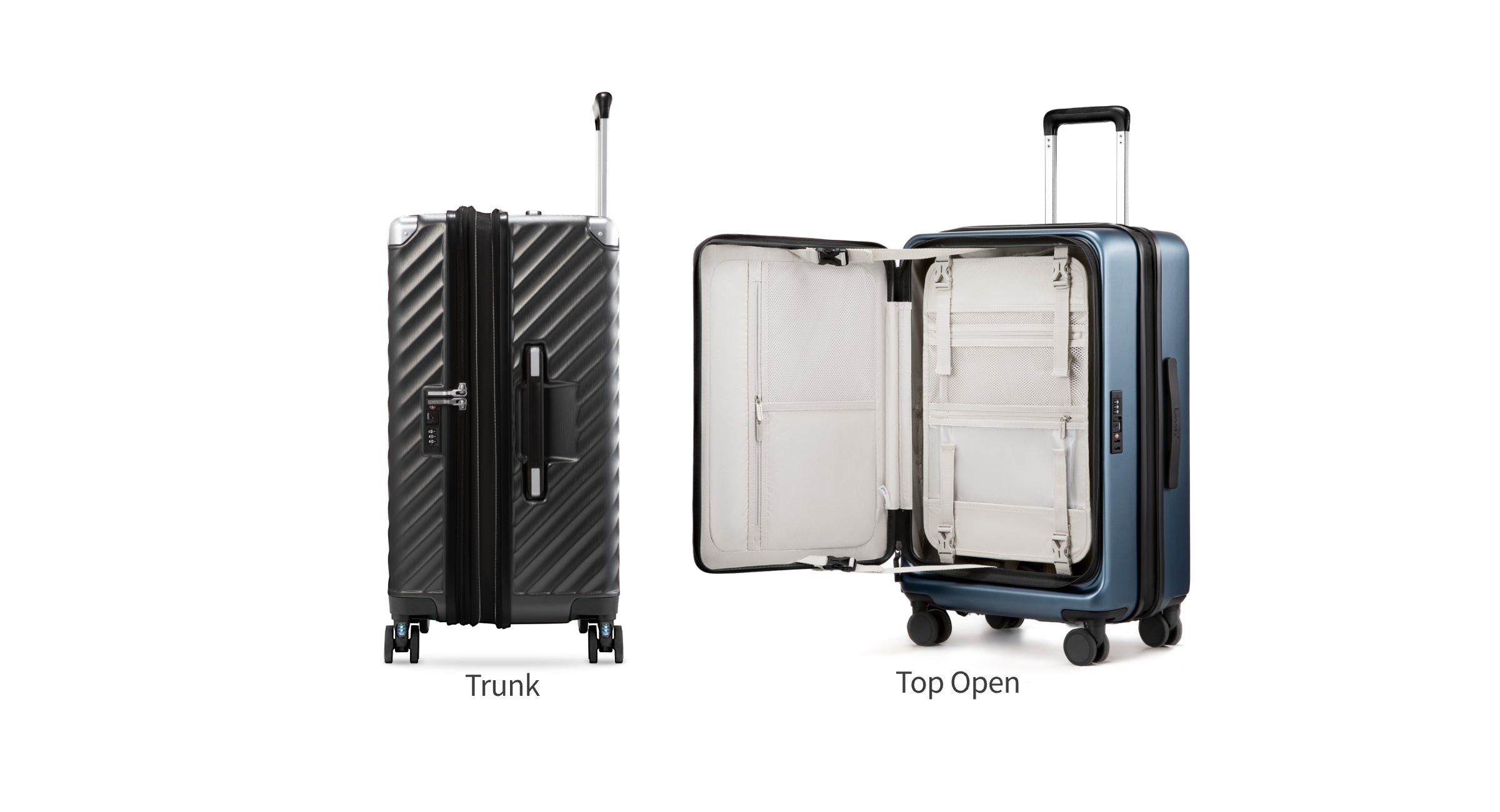
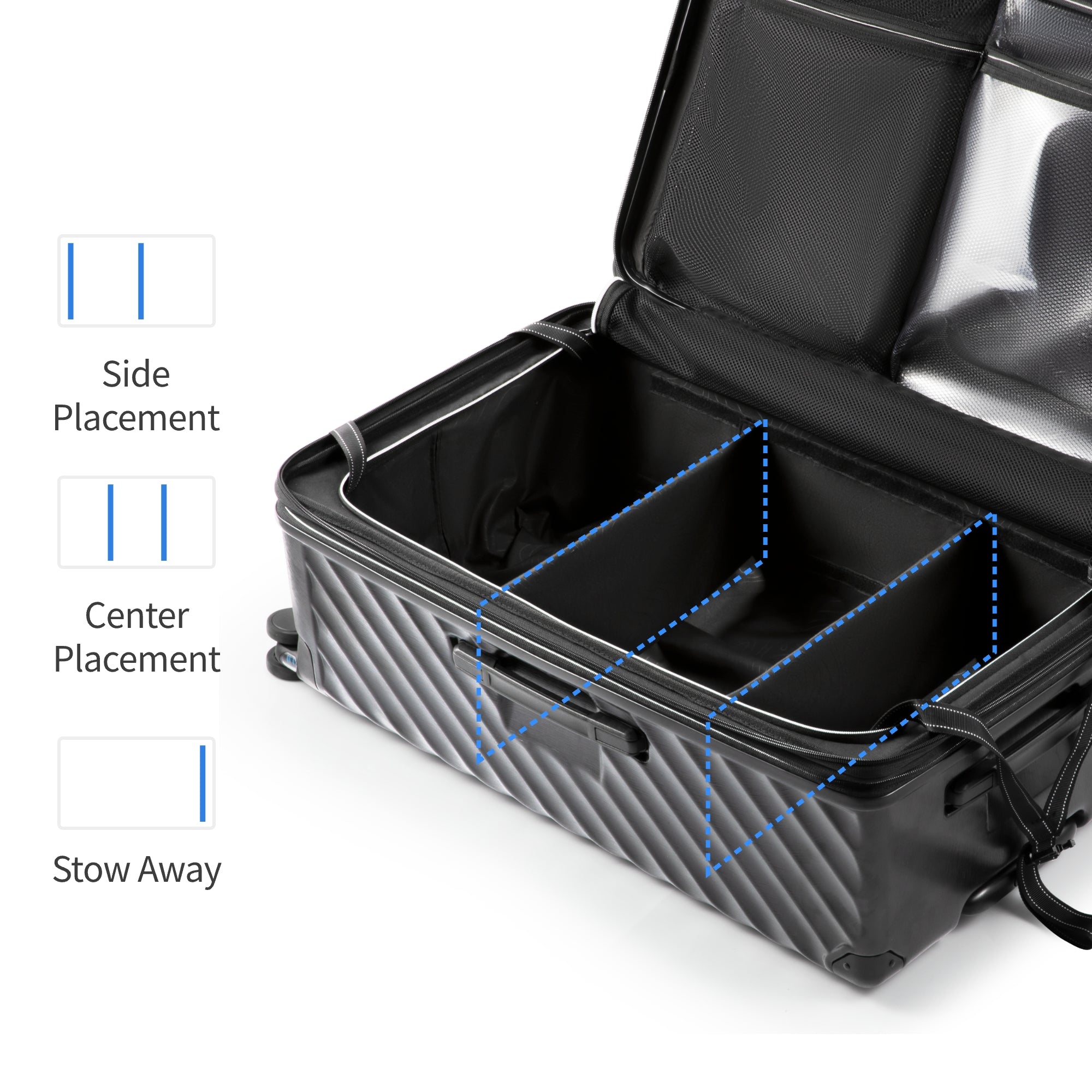
Trunk-style luggage typically features a dual-compartment opening structure, where the suitcase is divided into two sections — a deeper main compartment and a secondary packing area.
This balanced design allows travelers to separate belongings more clearly, making it easier to organize clothing, shoes, and travel essentials.
Because the packing weight is distributed across both sides, trunk luggage often feels more stable and secure when fully packed, especially during long check-in journeys.
The deeper compartment also helps accommodate bulkier items while keeping them protected throughout transit.
Top-Open luggage is designed with a larger main packing compartment and a slimmer lid section, creating a layout that supports vertical packing.
This structure allows travelers to access belongings quickly without fully opening both sides of the suitcase.
It is especially useful in tight hotel rooms, train aisles, car trunks, or crowded airport environments, where space to lay the suitcase flat may be limited.
By offering a more continuous interior depth, Top-Open luggage provides greater flexibility when packing larger or taller items.
Packing efficiency is influenced not only by suitcase size, but also by how interior depth and layout are structured.
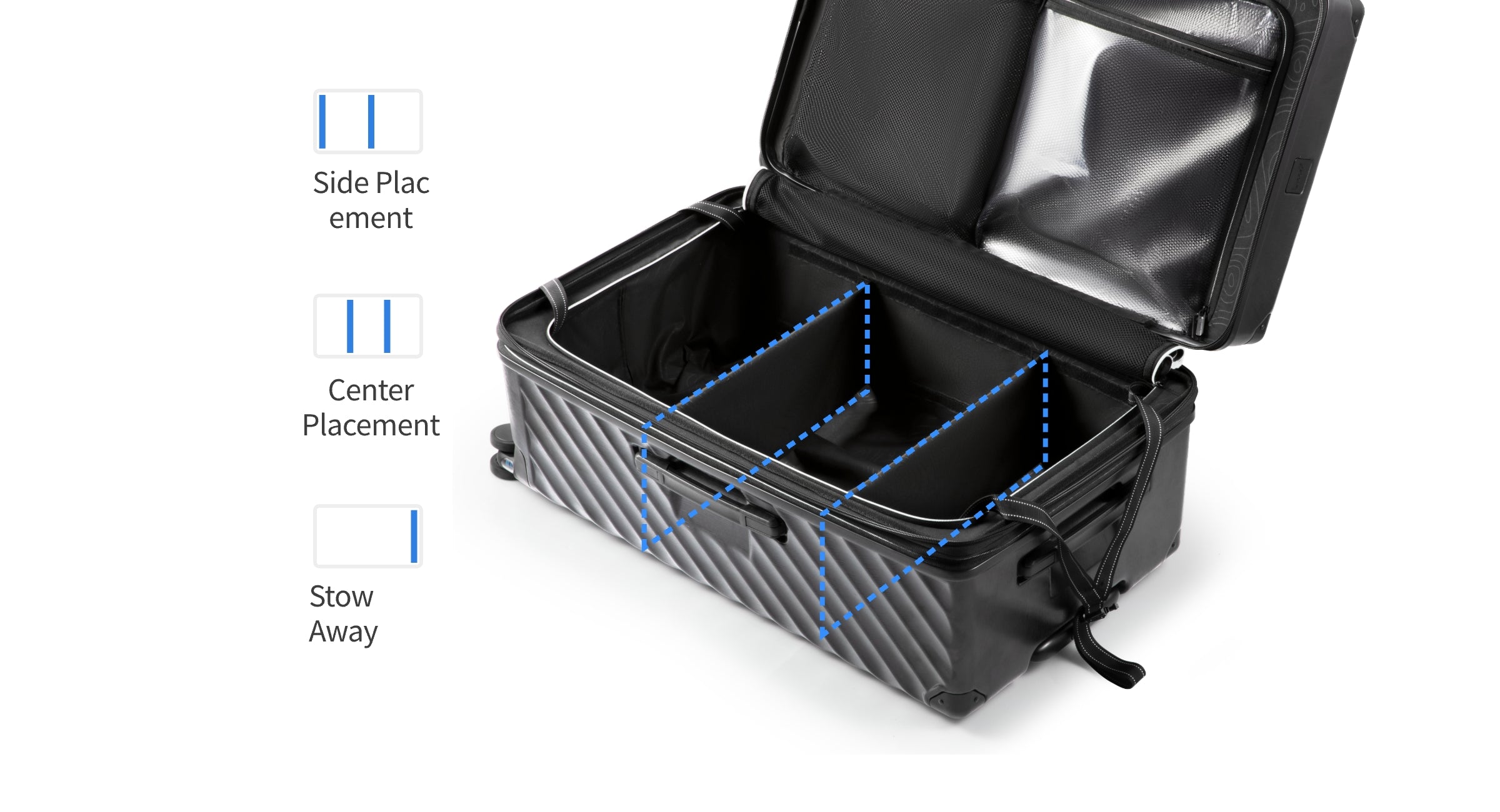
usually provides clearly separated packing zones, making it easier to organize clothing, shoes, and accessories into different sections.
This structured layout helps prevent items from shifting during transit.
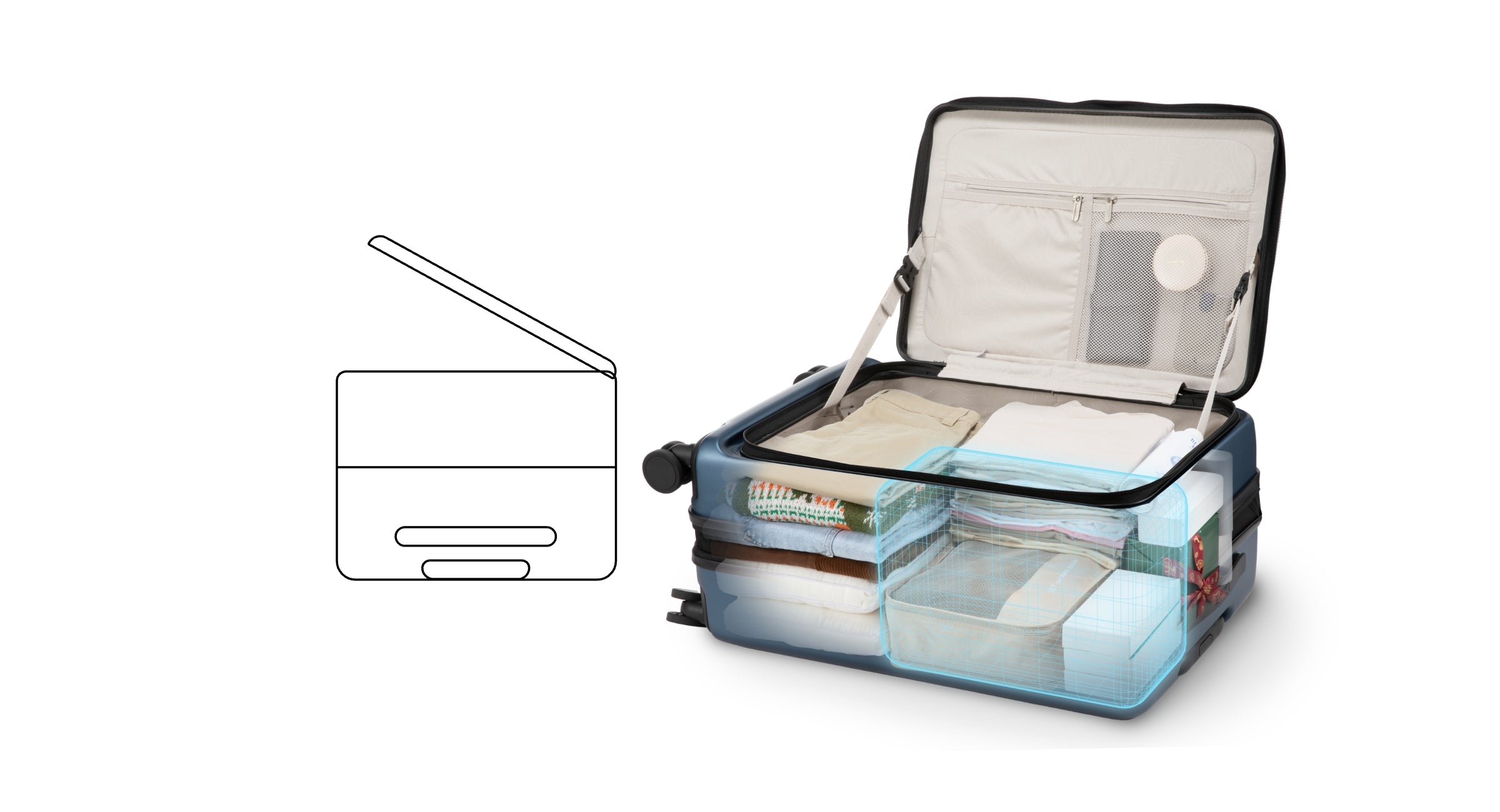
on the other hand, offers a more continuous packing space, allowing travelers to utilize interior depth more flexibly.
This makes it ideal for packing bulky clothing, winter gear, or items needed for extended trips.
👉 Travel Tip:
If you prefer flexible packing and need easier access to larger items, a Top-Open design may better suit your packing habits.
Handling convenience is another important factor many travelers overlook.
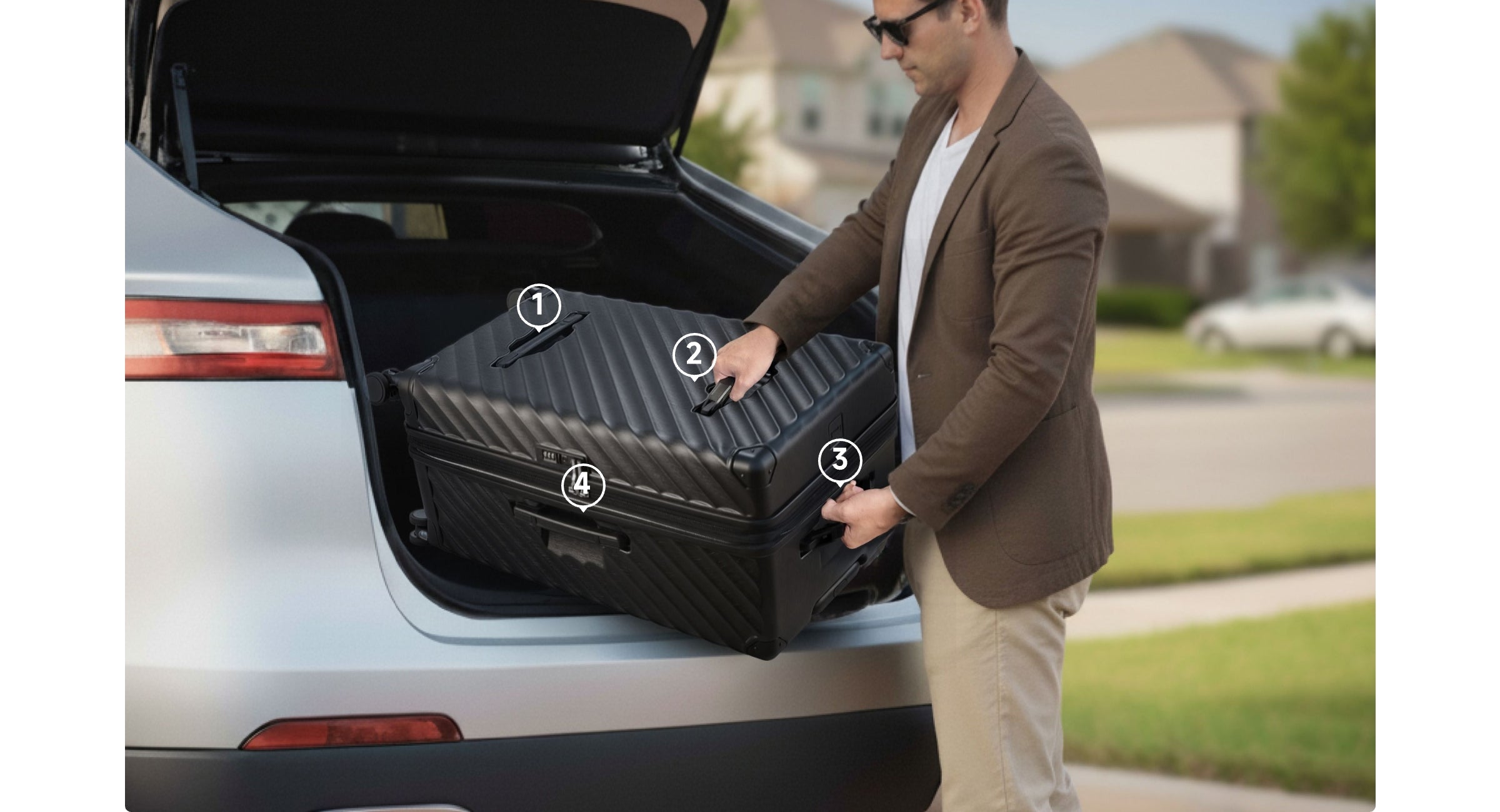
commonly includes multiple grab handles, making it easier to lift into cars, overhead storage, or luggage racks.
Its structured interior layout also supports more organized packing routines.
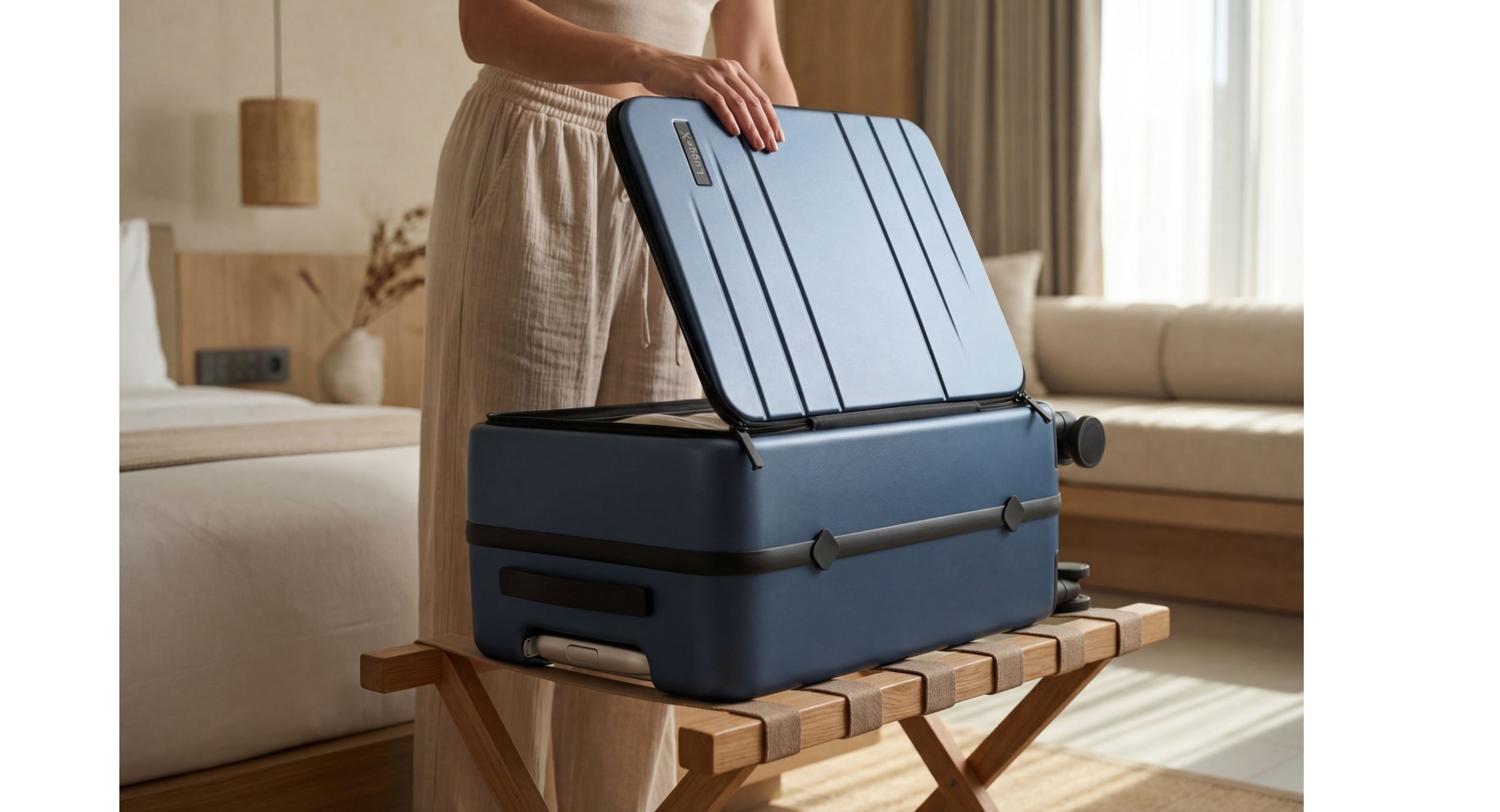
focuses on fast access and space efficiency.
Travelers can open the suitcase partially to retrieve items quickly, which is especially useful during short stays or multi-destination trips.
Both designs offer unique advantages depending on how and where you travel.
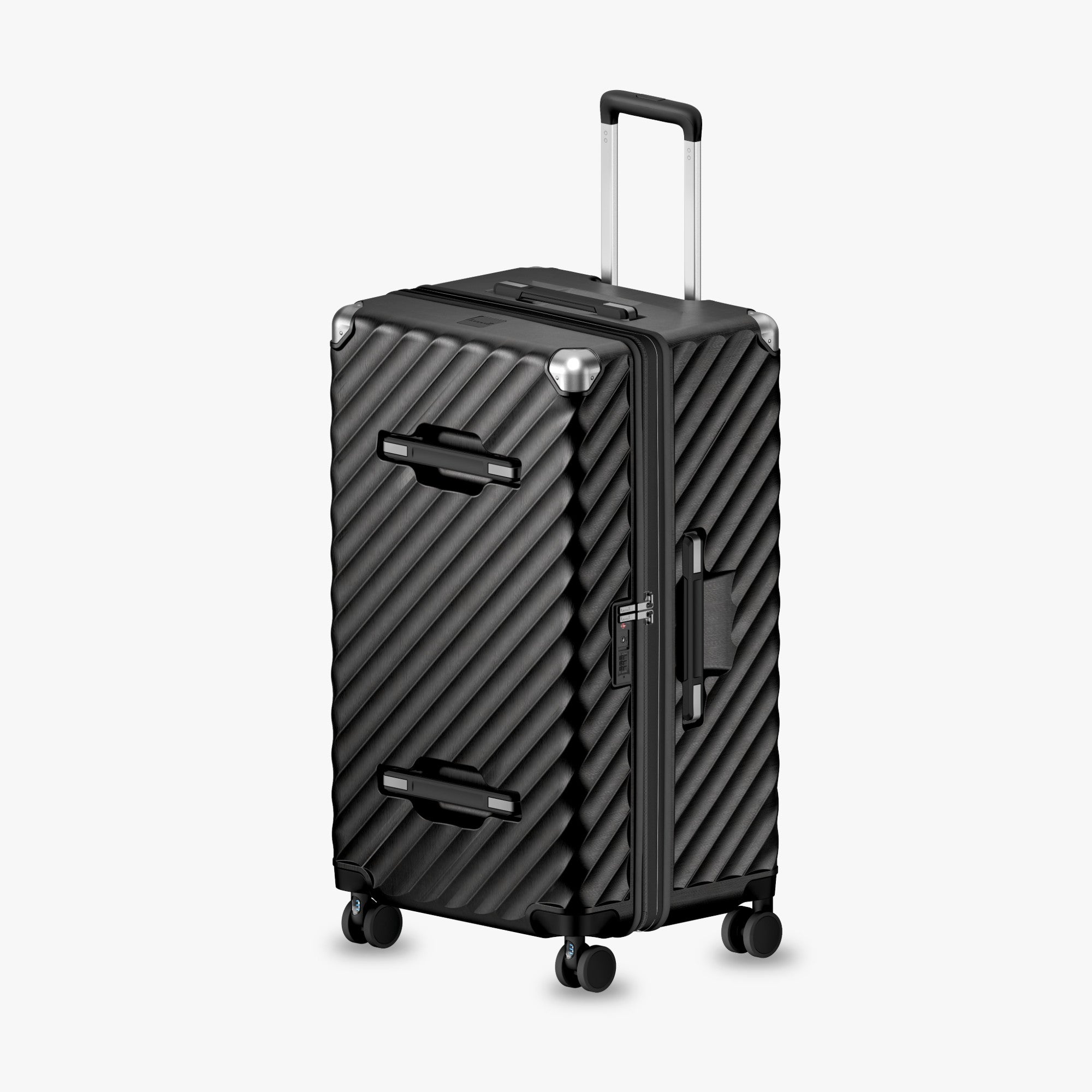
Luggex Adventure-Proof Trunk | Deep Capacity & Expandable Design (28 Inch)
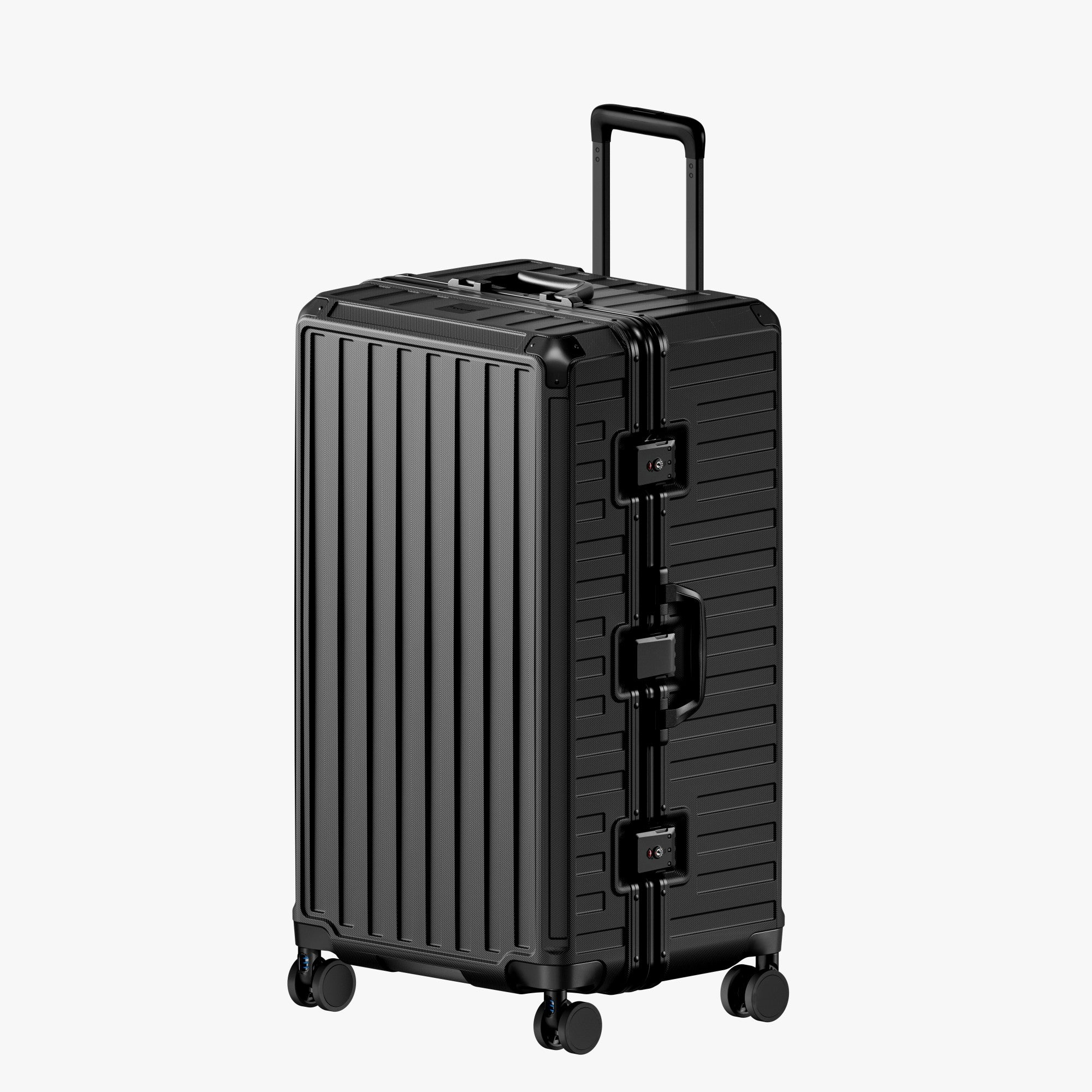

ZX Check-In 30'' Trunk | Zipperless Aluminum Frame, TSA Lock


Check-In 26" Top Open | Aluminum Frame | Deep Compartment Design
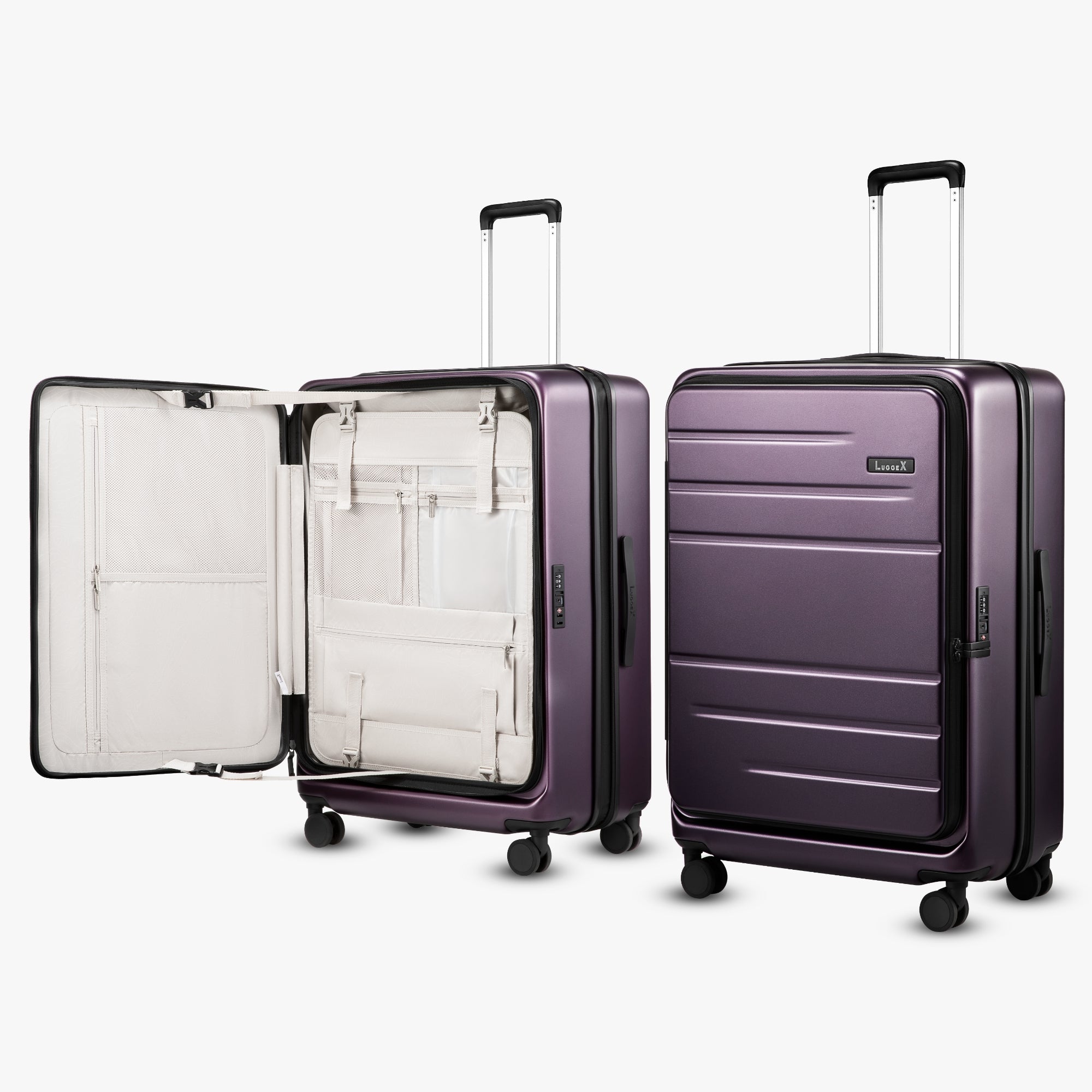
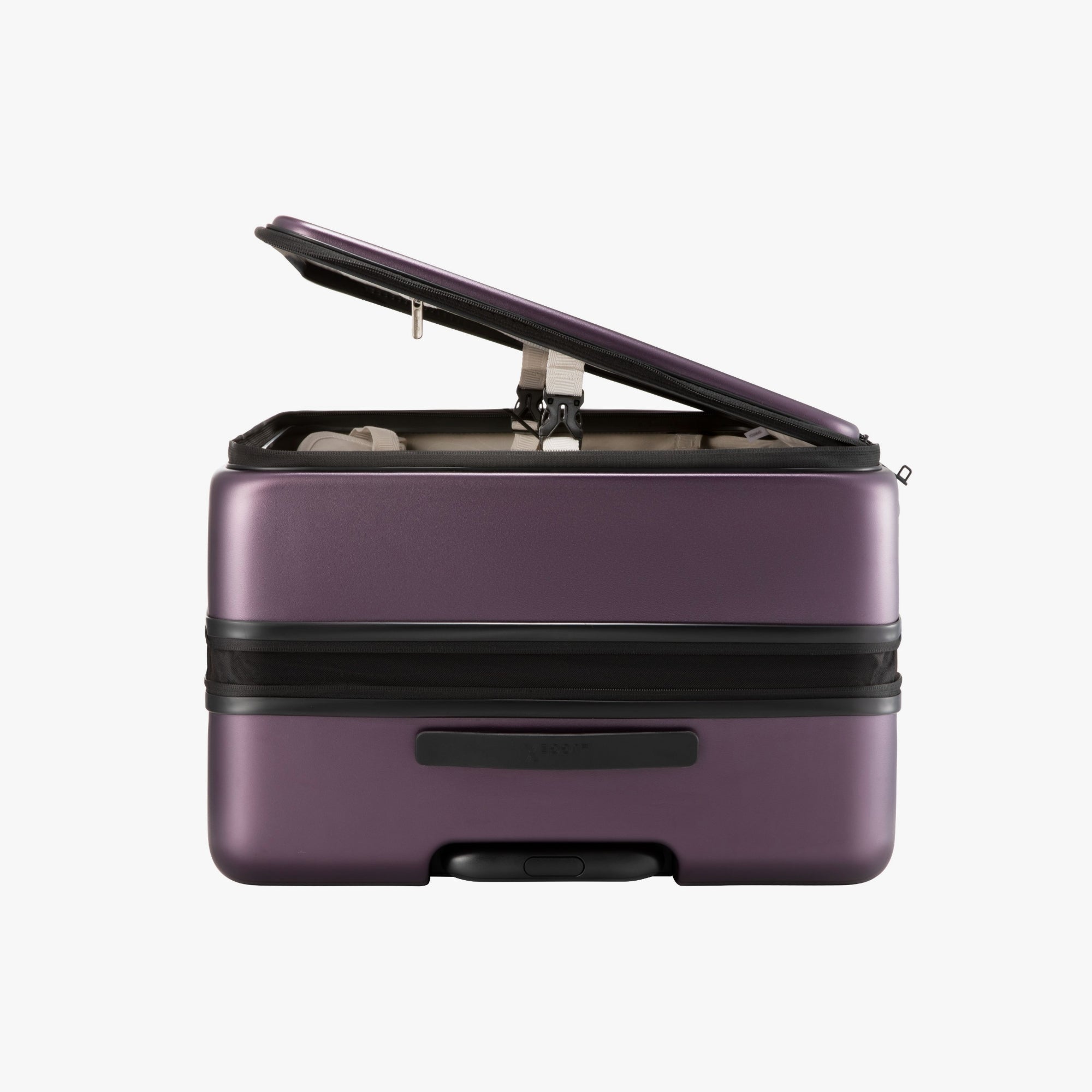
Top Open Check-In 28'' | Expandable Large Capacity
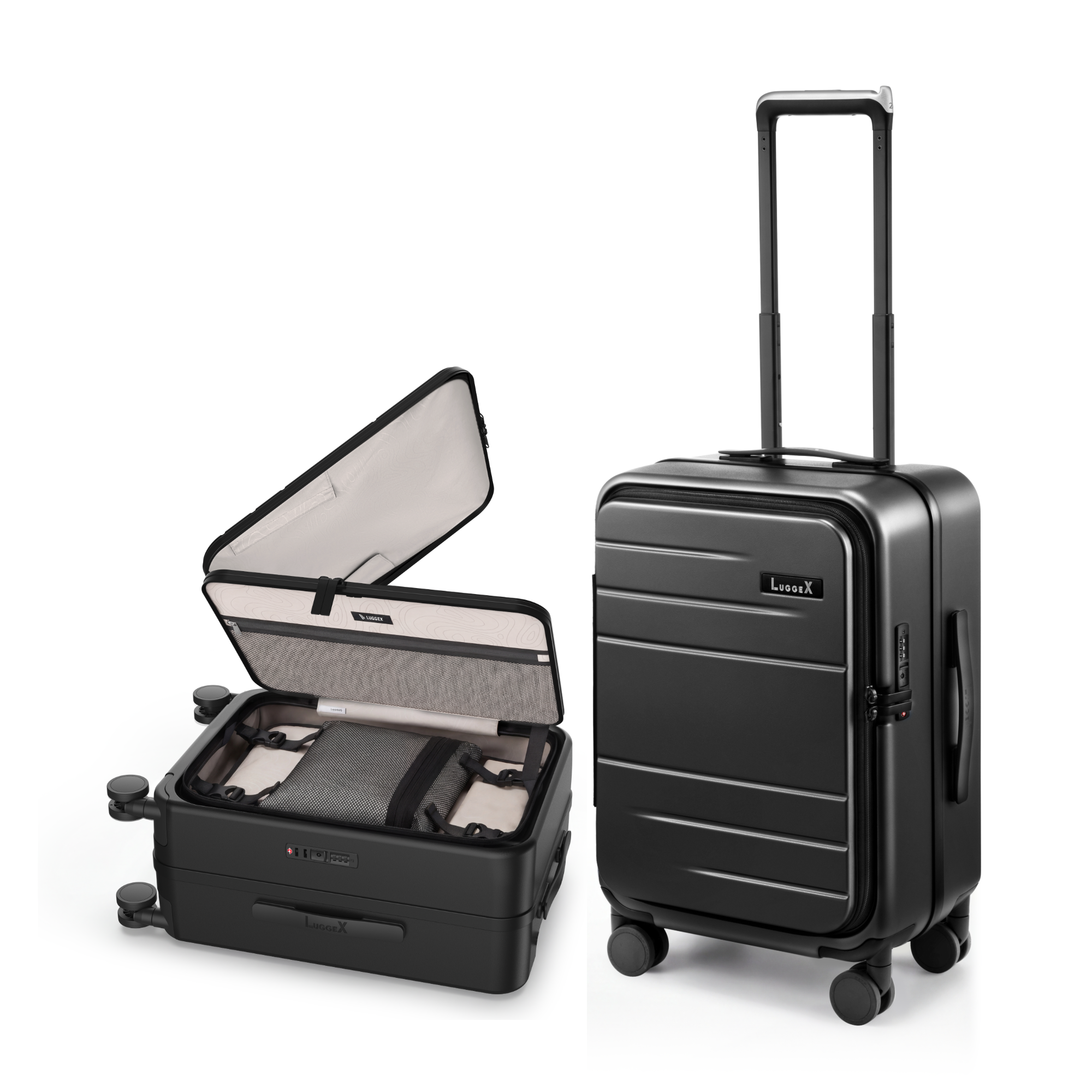
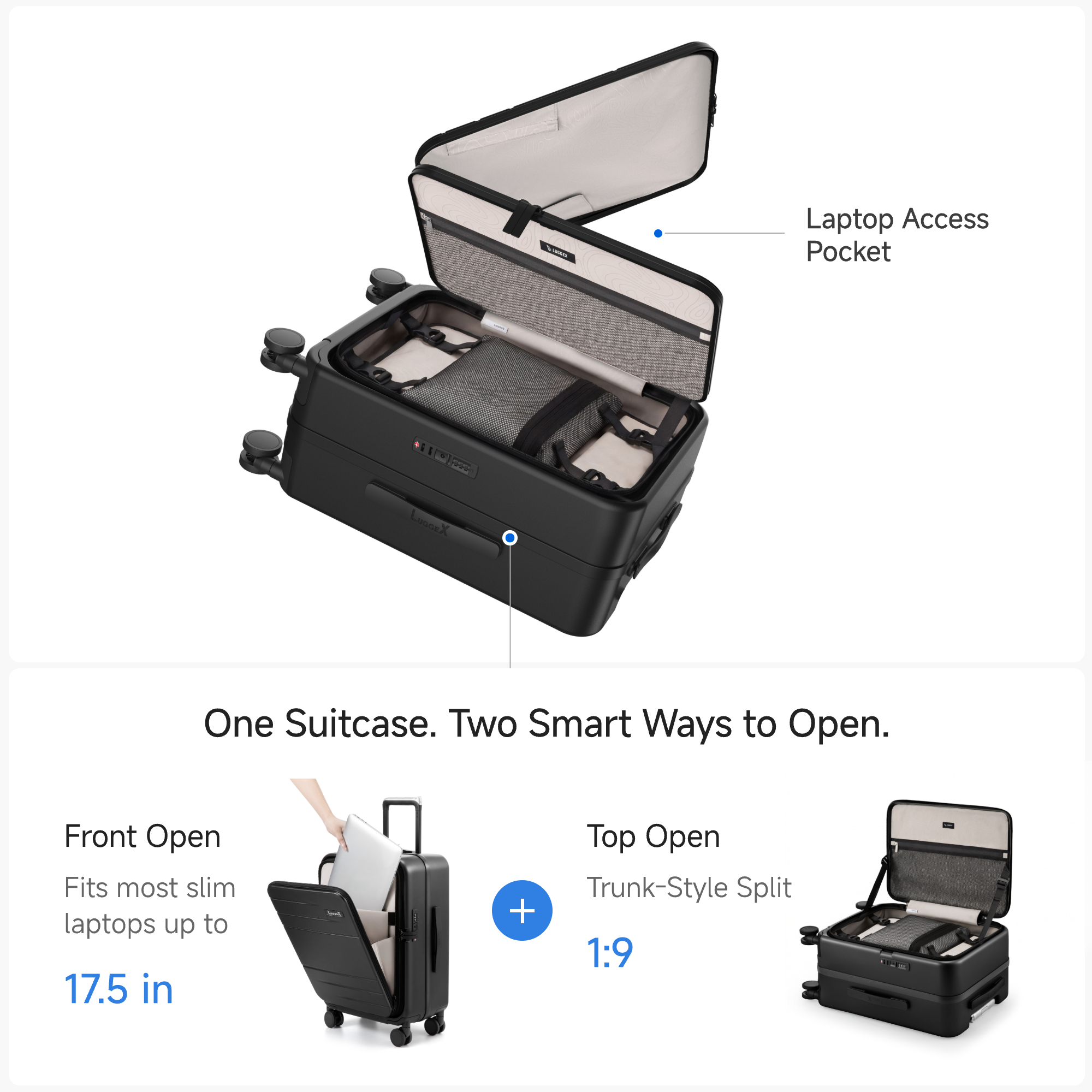
Bigger Carry-On 21'' Top Open with Laptop Pocket | Aluminum Frame |Built for Bulky ltems

How to Keep Your Luggage Safe During a Crowded Spring Break Trip

Helpful Tips for Keeping Your Luggage Secure While Traveling